On September 2, 1885, white coal miners in Rock Springs, Wyoming rioted, killed at least 28 Chinese men, and ran the rest of the Chinese out of town at gunpoint. The Rock Springs Massacre began as a fight between two white and two Chinese workers over the right to work in a particular room in Mine No. 6 and escalated into a city-wide bloodbath. As night fell, the white mob set fire to Chinatown, and the men who hid in their cellars burned to their deaths.
The Rock Springs Massacre erupted during a volatile period of labor struggles in the Union Pacific railways and coal mines. In 1875, during an economic depression, the company used Chinese workers to break a strike in the Rock Springs mines. To the white miners already living in precarity, the sight of Chinese scabs alighting from company trains under military protection must have been apocalyptic. Most of them were fired, and those who remained had to sign away their right to strike.
A decade later, due to financial mismanagement and corruption, the company ran out of cash and slashed wages. From 1884 into the summer of 1885, white miners in Rock Springs could only watch in resentment as their fellow workers agitated for better conditions.
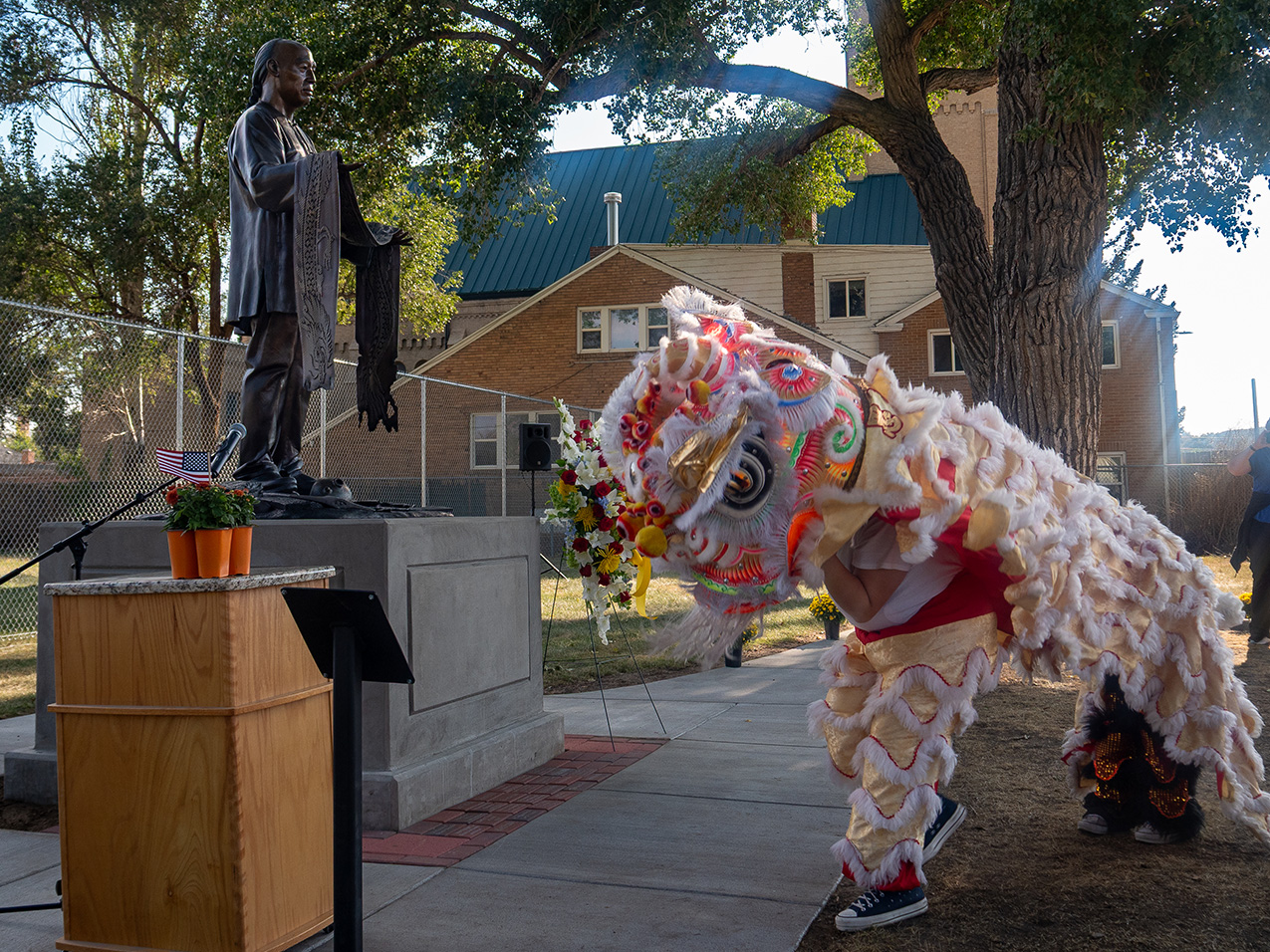
On September 2, 2025, 140 years after the massacre, the city of Rock Springs dedicated the sculpture Requiem to honor the lives and memories of the victims of the massacre. Designed by Wyoming artist David Alan Clark, the seven-foot bronze statue stands atop a concrete pedestal at the site of the razed Chinatown on Bridger Avenue, which is now a school playground. It depicts a Chinese man holding a ceremonial dragon flag amid the ruins of Chinatown.
Descendants of Rock Springs Chinatown, Chinese American community leaders and scholars, city officials, schoolchildren, and reporters—among others—gathered on that chilly September morning to witness the unveiling of Requiem.
My book Bitter Creek is an epic poem that chronicles the two decades leading up to the Rock Springs Massacre. In a matter of fortuitous timing, it was published 140 years after the bloodshed, but it had been ten years in the making. It is hard to pinpoint why I was drawn to writing this story, dredging up discomfiting emotions, grappling with the horrors I found in the archive. I mean, I could have spent my time on cats in Paris instead. But poetry, which is rooted in the oral tradition, is a powerful way to preserve and transmit history. In writing this book, I reconstruct memories that have been lost to the depredations of time. I make an inscription in our cultural record.
As part of the 140th Anniversary Commemoration, I gave a book talk at the Rock Springs Historical Museum and joined the weekend of walking tours, visits to archaeological digs and historic locations, and conversations about what it means to remember a dark and difficult past.
The Rock Springs Massacre is not part of my family history. I joked I was a Hokkien interloper among the Hoisanese descendants—my ancestors were from the next province, where they spoke a mutually unintelligible dialect. But in my work on Chinese histories of the American West, I have come to see these Cantonese immigrants from the 19th century as cultural ancestors, forebears whose lives shaped what is possible for me.
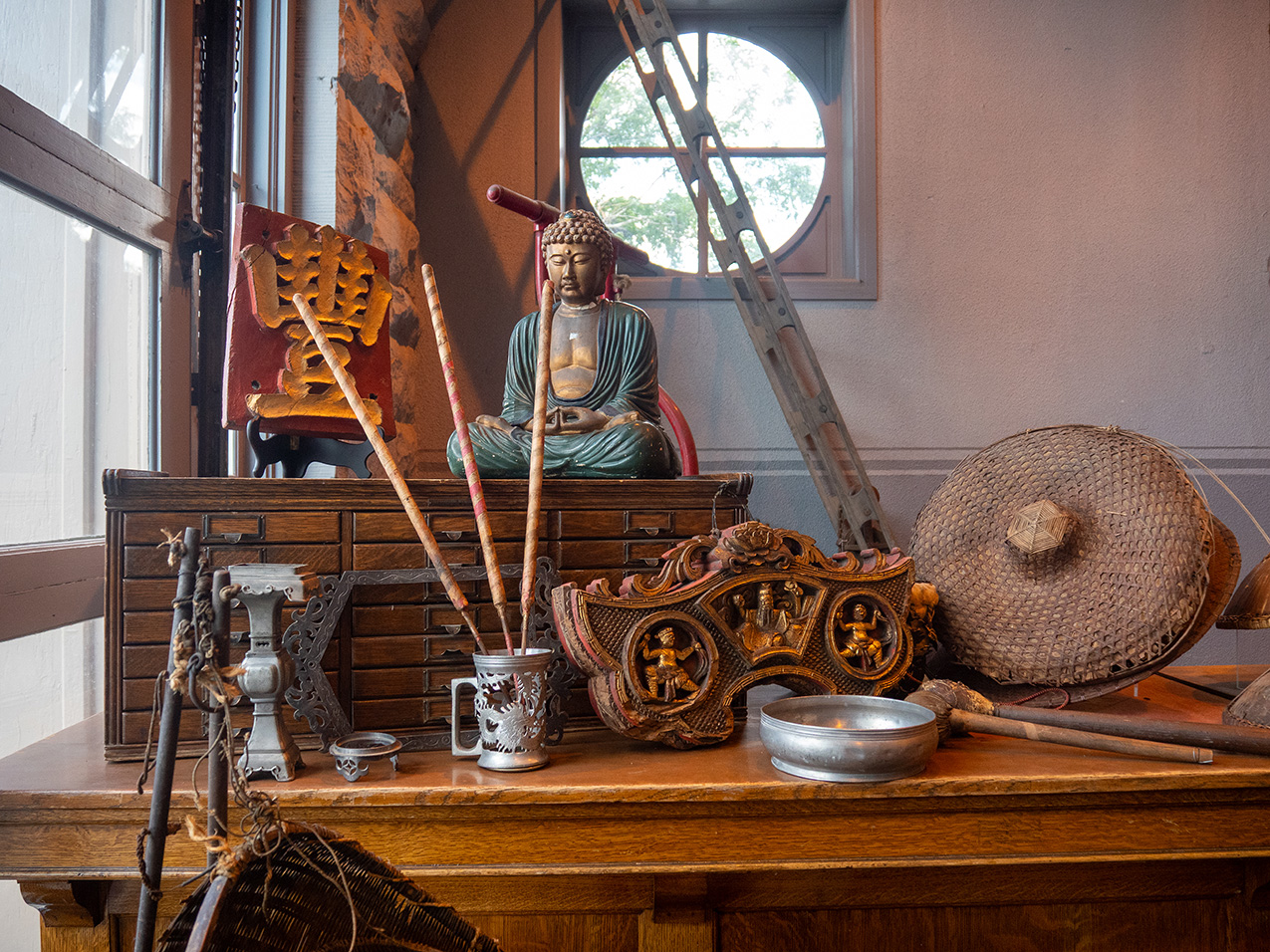
The Requiem sculpture had been years in the making. In 2020, when anti-Asian abuse and hate surged during the COVID-19 pandemic, the Rock Springs Historical Museum proposed the idea of a large-scale sculpture honoring the memory of the massacre. Mayor Tim Kaumo and City Council member Brent Botello supported it and, in conjunction with the museum, the city began raising funds and negotiated with the school district for the site along Bridger Avenue.
Requiem is funded almost entirely with donations, including in-kind contributions from local concrete and electrical companies, as well as $15,000 from the Union Pacific Foundation.
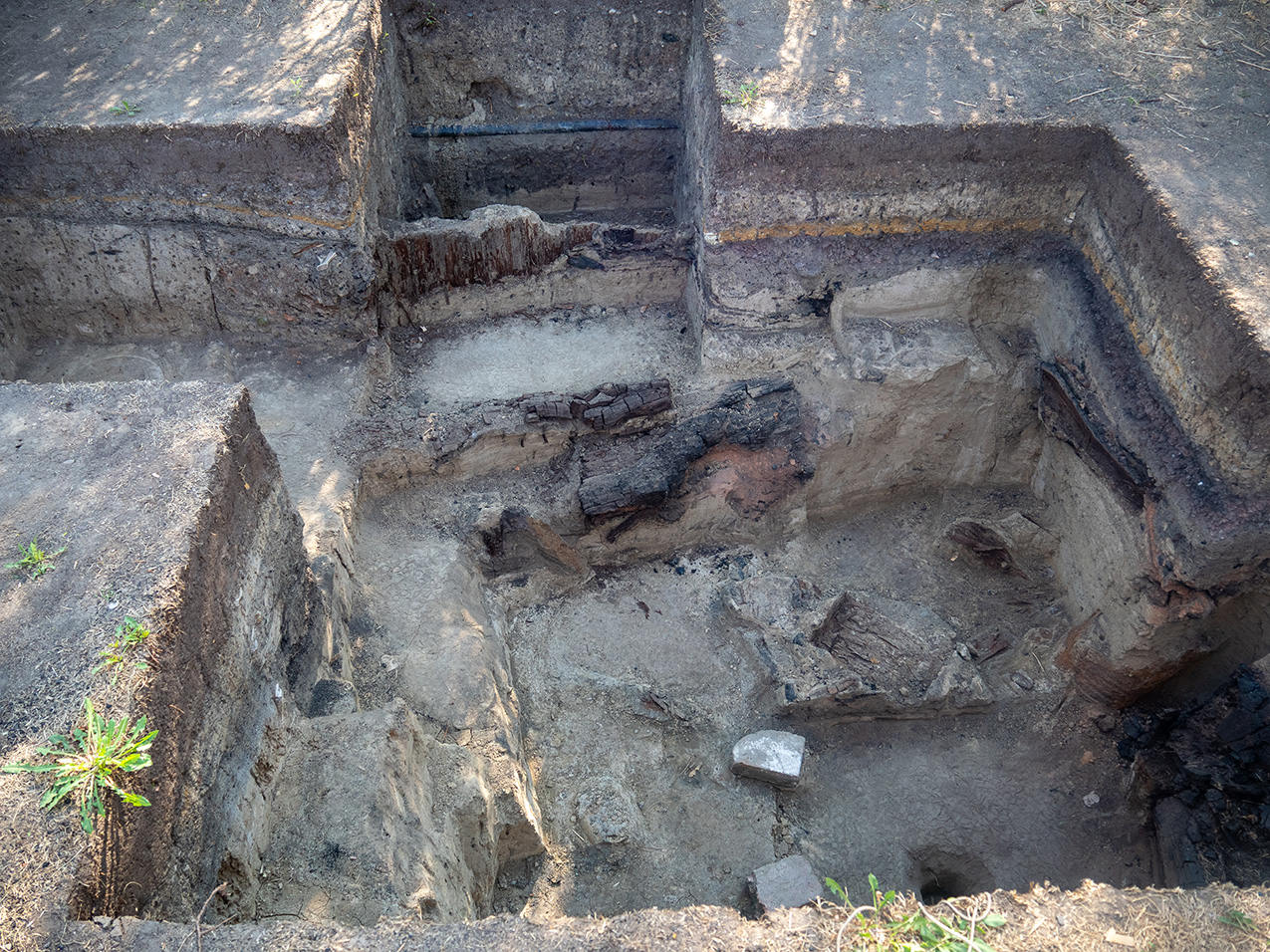
Dudley Gardner, archaeologist and professor emeritus at Western Wyoming Community College, has spent the last four decades excavating Chinese sites in southwestern Wyoming. When the city hired him to dig the proposed site for Requiem to ensure it is not disturbing artifacts, he took the opportunity to negotiate for another dig: the school playground that was once Chinatown.
Gardner brought on Laura Ng, professor at Grinnell College and an archaeologist who studies racism and migrations in Asian diasporas, and her students. In the summer of 2024, the team started digging the perimeter of the playground, for the land where the school building once stood would no longer have artifacts. They found pottery shards, broken doorknobs, animal bones—the detritus of everyday life that would yield insight into the unrecorded lives of the Chinese who lived in Rock Springs.
Much of what they found came from the hasty rebuilding of Chinatown after the massacre, when many of the survivors returned to Rock Springs under military protection to reopen the mines.
On the last day of the 2024 season, the team started to find artifacts ravaged by fire. Melted glass. An intact pig’s jaw. Charred wooden beams. They found the burn layer of Chinatown from the Rock Springs Massacre.
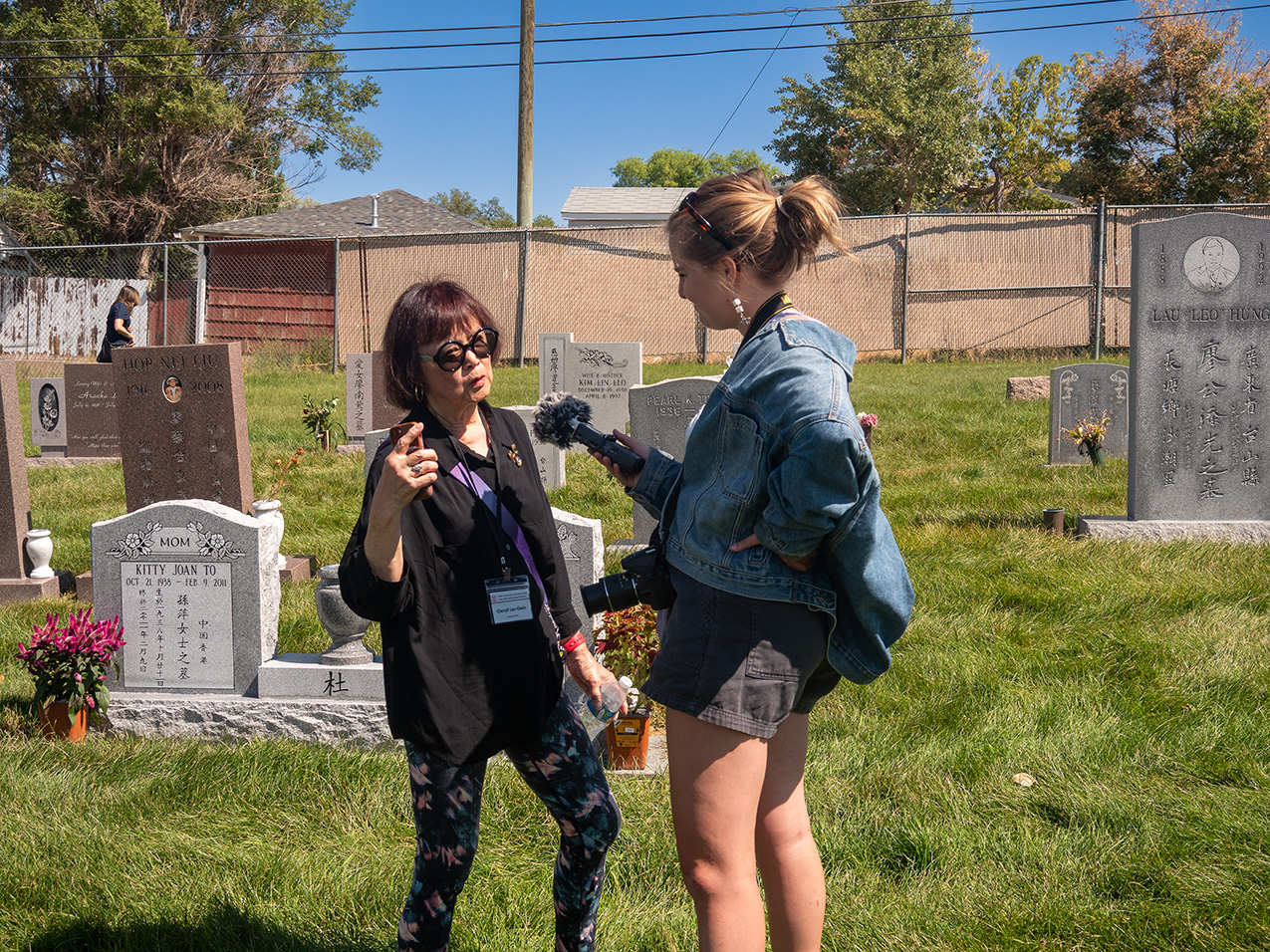
For decades, it was believed there were no known descendants of the Rock Springs Chinatown residents.
Laura Ng also began to search for descendants. In 1885, the Chinese consul in New York came to Rock Springs to meet with survivors. In his investigative report, he listed the names of the 28 known victims. Most of them had the surname Leo or Lew, both transliterations of the same name, all from a small clan in Hoisan County in the Pearl River Delta of southern China.
Using census and immigration records, newspaper articles, and other archival material, Ng’s team has located descendants both in the US and China.
Cheryll Leo-Gwin, 81, is a visual and multimedia artist based in Seattle. Her grandfather, Leo Pack Jung, who the family called Packy, lived in Rock Springs at the turn of the 20th century. He was an herbalist, merchant, and later Baptist preacher, as well as a liaison between the Union Pacific and its Chinese workers. In the 1900s, he moved his burgeoning family around the Midwest and settled in Portland, Oregon, around 1910.
Until Ng reached out two or three years ago, Cheryll did not know about her grandfather’s life in Rock Springs or that there are other Chinese Americans with the surname Leo.
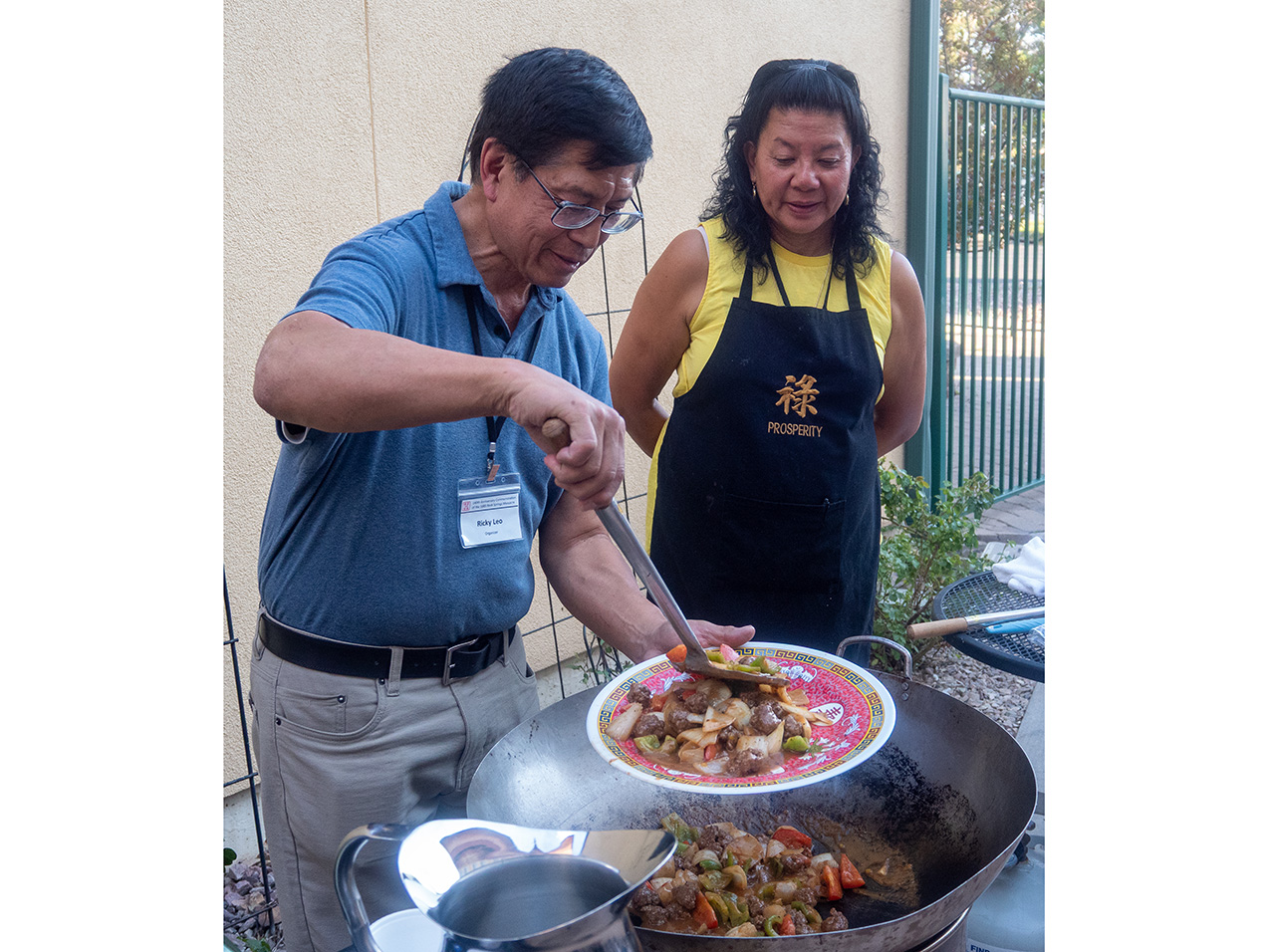
Ricky Leo, 67, was born and raised in Rock Springs, where he worked as a short-order cook at his father’s restaurant, the New Grand Café. He met his wife Grace when she immigrated to Rock Springs from Hong Kong at thirteen and worked at the restaurant—her uncle was his father’s business partner. They have lived in southern California for the last four decades.
Neither of them knew about the Rock Springs Massacre or Chinatown until 2019, when they attended the 150th anniversary commemoration of the completion of the transcontinental railroad in Salt Lake City and heard Chuimei Ho’s talk on the subject. They also met Dudley Gardner, who helped Ricky trace his ancestral connections to Rock Springs coal miners, including survivors of the massacre. Ricky also located his ancestral home in China, and when he and Grace visited, they saw a copy of their own wedding invitation on the wall.
Ricky and Grace organized the 140th Anniversary Commemoration. In addition, Ricky was the model for the Requiem statue.
Robert Lew, 75, was born in Idaho and raised in California. He knew that his father grew up in Rock Springs and had visited the city over the years. But it was only a month before the commemoration when his daughter Beth Lew-Williams, a professor of Asian American history at Princeton University, pieced together that his grandfather was a survivor of the massacre.
Ng herself has roots in Hoisan County; her parents immigrated from there to Los Angeles. She has reconstructed five family trees—and counting.
For more than a century, the Rock Springs Massacre was erased by the tyranny of neglect. Jennifer Messer, Museum Coordinator at the Rock Springs Historical Museum, grew up in Rock Springs, but she did not learn about the massacre until she took a class with Dudley Gardner in college.
In the face of a disturbing history, we can reckon with our painful emotions. Or we can tell ourselves that it is not worth remembering, that we should let bygones be bygones and simply move on.
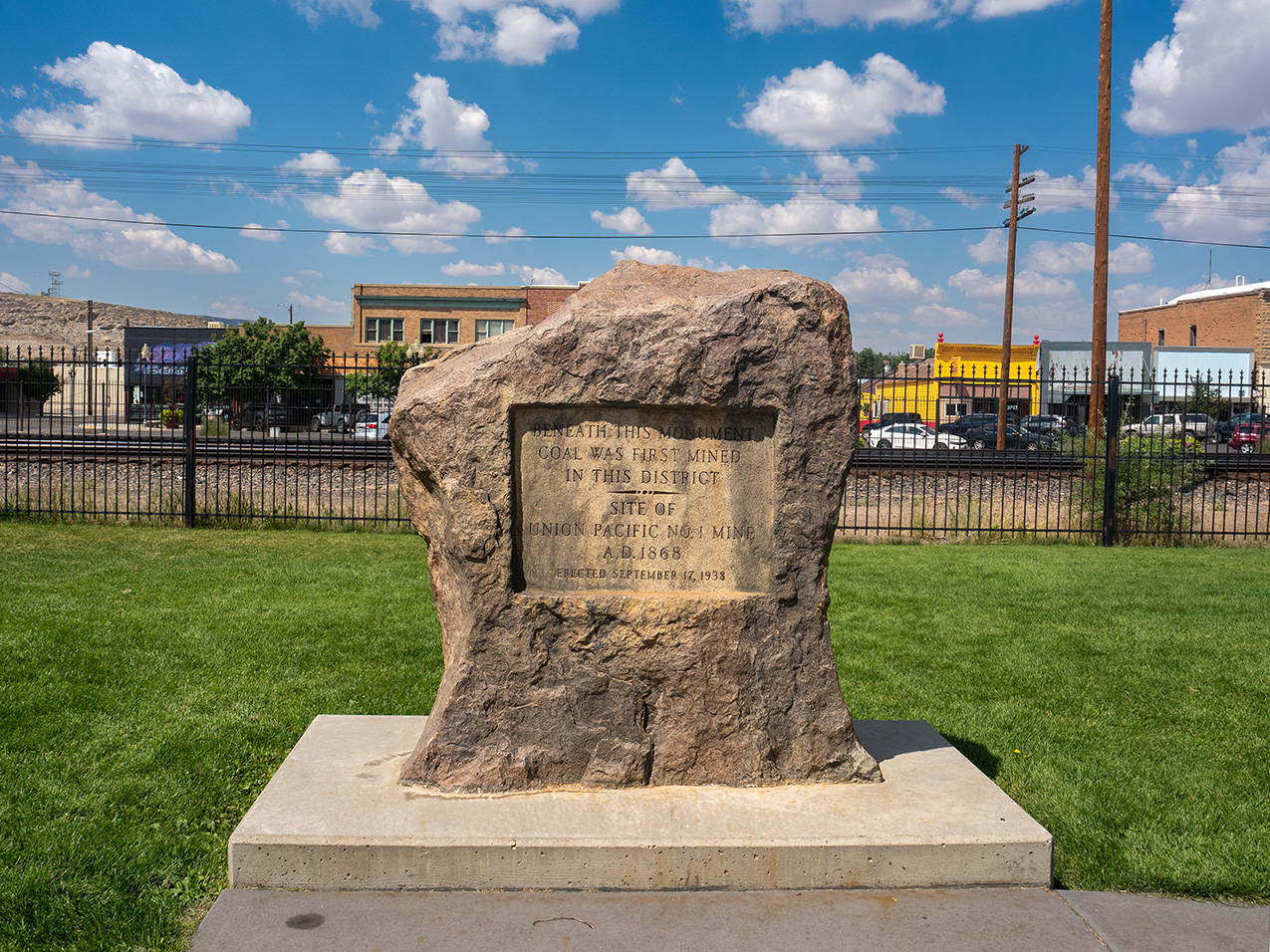
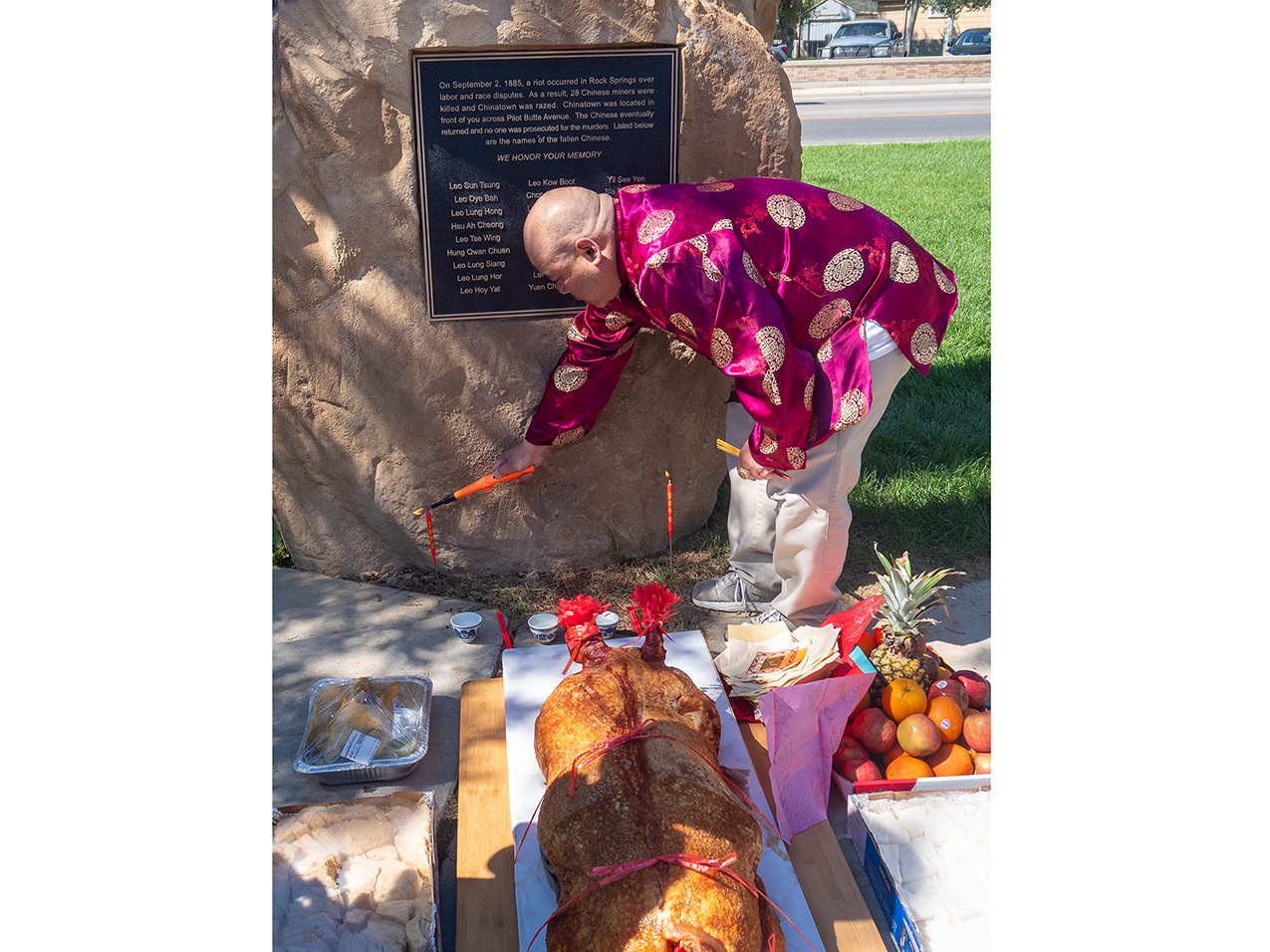
Dudley Gardner has been studying the Chinese communities in southwest Wyoming since the 1980s, but it has only been in the last decade when Rock Springs began to publicly grapple with this history. In April 2016, the museum installed a memorial plaque on Pilot Butte Avenue, on a corner just down the street from Requiem. It is a sandstone rock with a plaque that briefly addresses a “riot” over “labor and race disputes” and lists the names of the 28 known Chinese victims.
The underwhelming memorial and its odd location were the result of compromises between residents who wanted something more and those who were angry that a memorial was being put up at all. At night, some residents would piss on the rock after too many beers. But the plaque was a start.
In the last decade or so, the schools in Rock Springs started to teach the massacre to students in fourth grade.
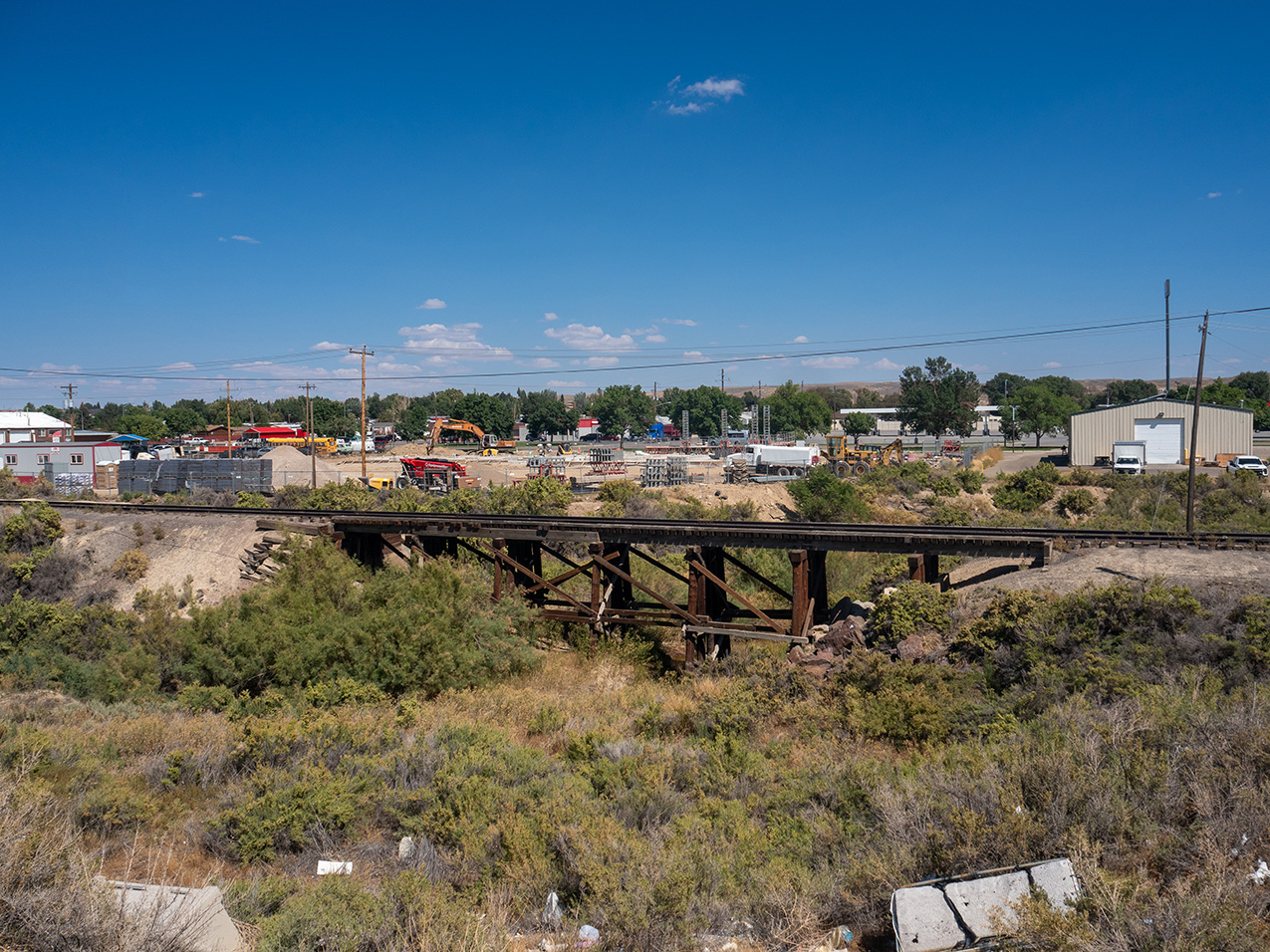
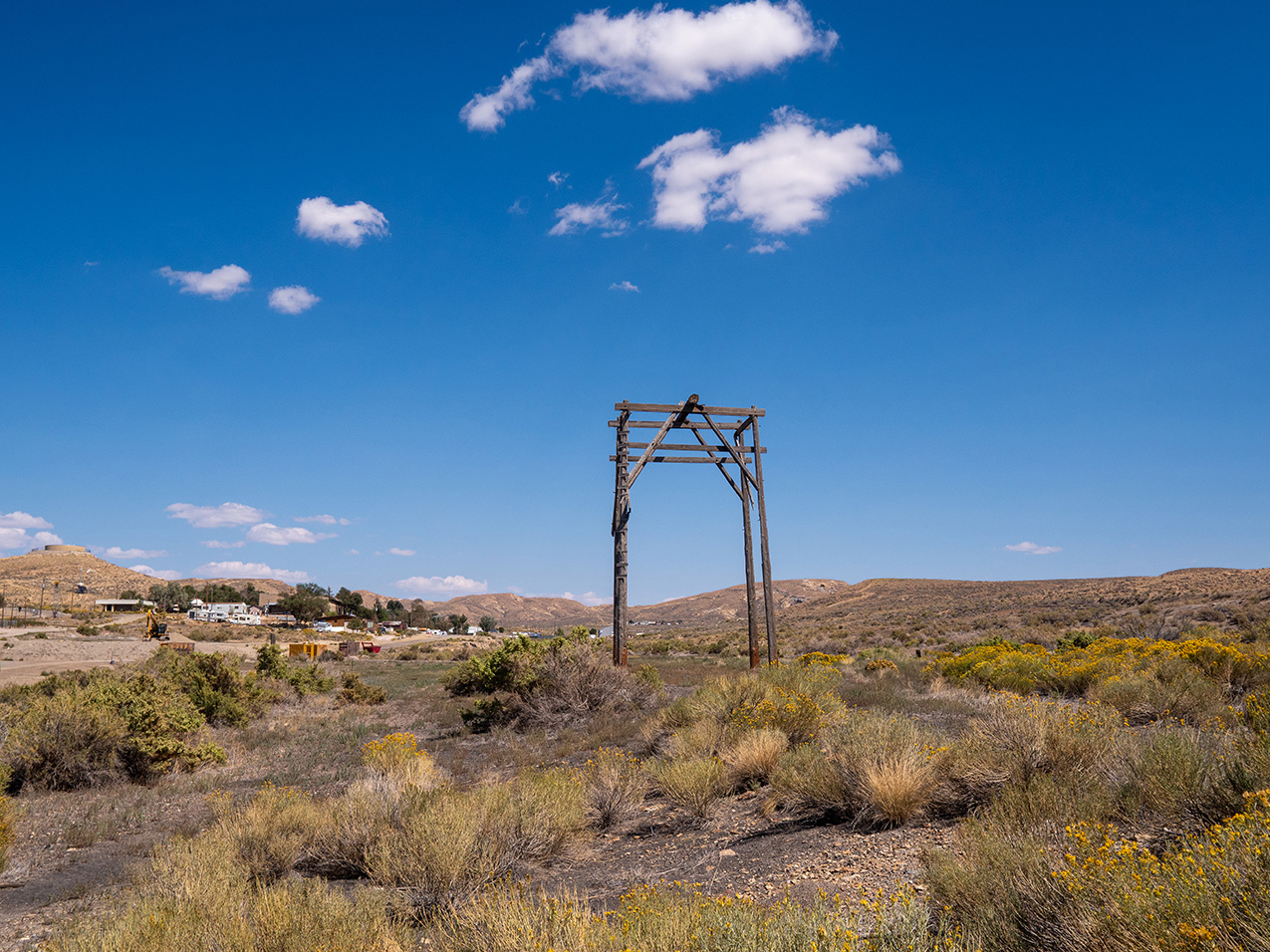
According to Jennifer Messer, some residents believe that because their families did not live in Rock Springs at the time of the massacre, they should not have to apologize for it. Messer says, “My response to that every single time is, ‘Yep, my family wasn’t here either, but we are all capable of showing empathy and sympathy. I have no problem apologizing for the events that happened here and offering my empathy for the people who died here. We can and should do better.’”
When we believe that what happens outside the family is not our responsibility, we isolate ourselves from the wider world. But when we confront our histories, when we know where we came from and the legacies that shaped our lives, we begin to see how we are connected to one another.
And simply remembering is not enough. Without a deep moral reckoning, without facing how we are implicated in the systems of injustice, we can never truly move on.
Laura Ng has also been tracing another genealogy of Rock Springs Chinatown: descendants who were also veterans of World War II, including Cheryll Leo-Gwin’s uncle Francis Drake Leo and Ricky Leo’s father Sonny Leo.
The Chinese Exclusion Act of 1882 was not repealed until 1943. Despite the discriminatory laws and practices in effect, more than 20,000 Chinese Americans—about one in five—enlisted during the war and served in every theater. About 40 percent of them were not US citizens because the exclusion laws prohibited their naturalization.
In December 2018, 73 years after the end of the war, the Chinese American World War II Veteran Congressional Gold Medal Act was signed into law, bestowing these servicemembers with the highest civilian honor. Ricky Leo applied for one for his father posthumously.
A number of attendees at the 140th Anniversary Commemoration are veterans, including descendant and retired anesthesiologist Arvin Chin.
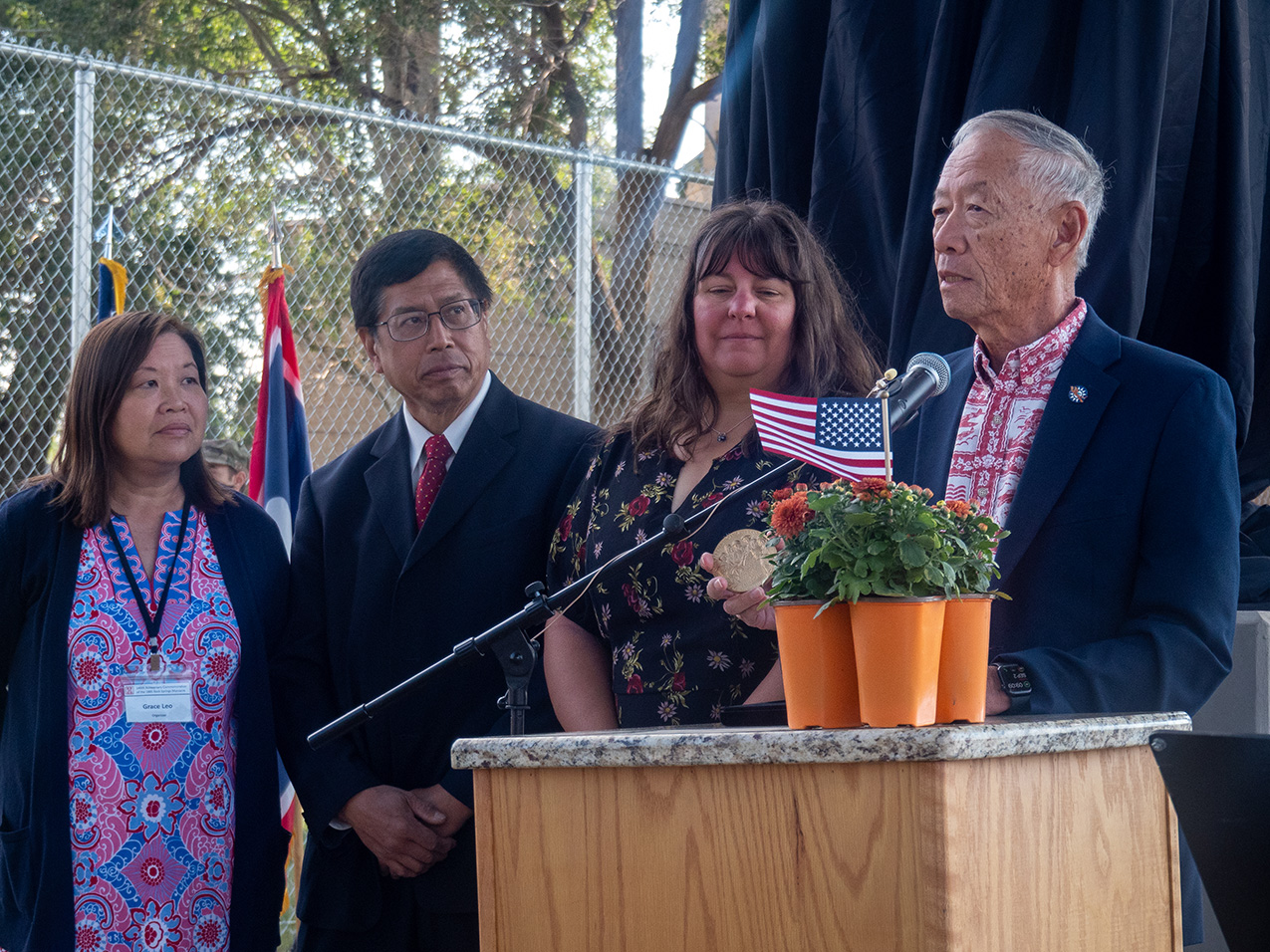
At the dedication ceremony, Major General Robert G.F. Lee (Retired), who traveled from Honolulu, presented a Congressional Gold Medal to the Rock Springs Historical Museum in honor of the veterans of Rock Springs Chinatown.
This story is still being written—by artists and researchers, of course, but also all of us who carry it in our lives and memories.